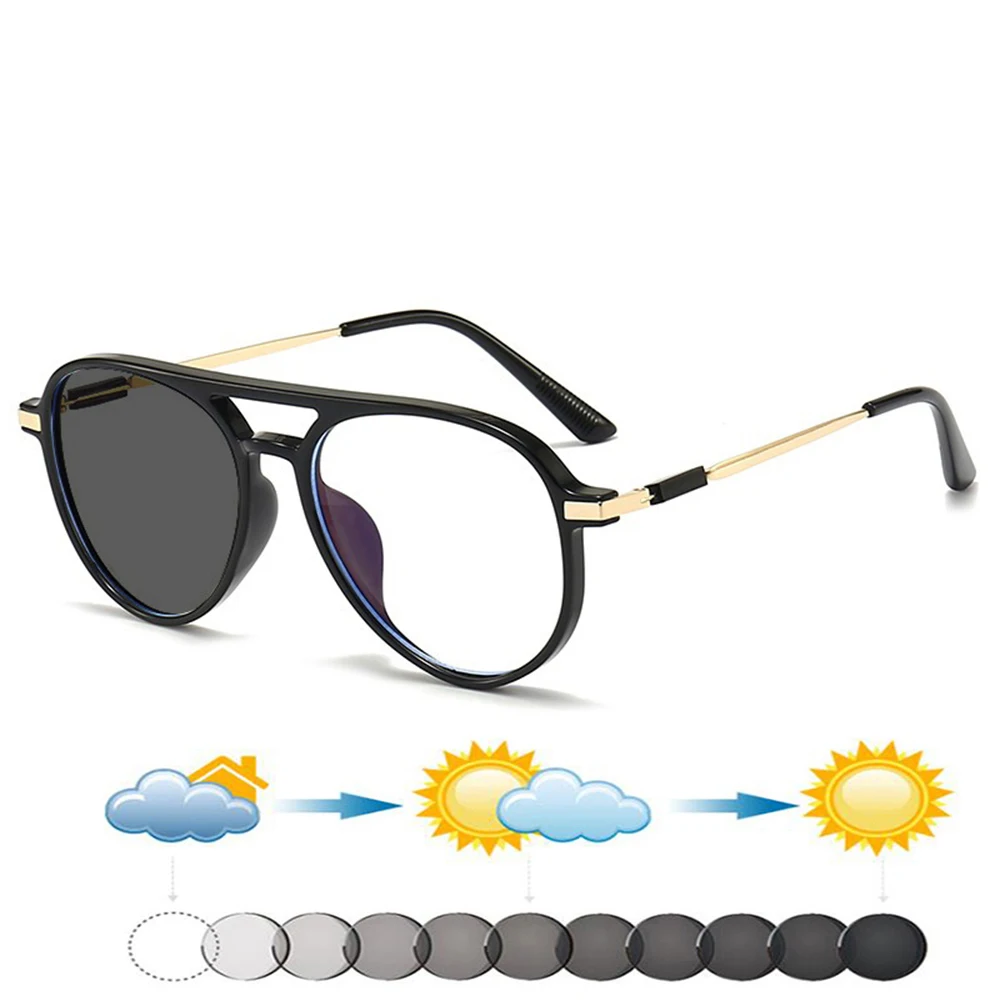
I get it. You just need a simple pair of reading glasses. You want to see clearly, read comfortably, and maybe even look good doing it. But trust me, it's easy to stumble into traps that lead to frustration, wasted money, and blurry vision. I made these mistakes buying men's best reading glasses, so you don't have to. Learn from my errors and find the right pair the first time.
Here’s what you’ll avoid:
When I first needed reading glasses, my main thought was "how cheap can I go?" I figured all reading glasses were the same. Big mistake. I saw super low prices online and thought I was getting a deal. What I got instead was a flimsy pair that felt like a toy.
The frames were thin plastic. The lenses felt like they could scratch if I just looked at them wrong. They bent out of shape easily. After only a few weeks, one arm snapped right off. I had to tape them together just to finish reading a book. This is the kind of experience that leads to low-rating reviews saying, "Waste of money, broke too fast."
I get it, we all want to save money, but sometimes, paying a little more upfront saves you a lot more in the long run. Cheap reading glasses often mean cheap materials and poor build quality. This leads to them falling apart quickly, or the lenses getting cloudy fast. Then you have to buy another pair, and another, and another.
Verdict: Don't just pick the lowest price. Think about what you’ll actually get for your money. Cheap often means you'll buy twice.
My second error was not knowing what to look for. I didn't care about frame material, lens type, or hinge quality. I just looked at the basic shape and power. I thought "reading glasses are just lenses and a frame," but there's so much more to it, especially when you're searching for men's best reading glasses.
My cheap glasses had plastic lenses that distorted my view at the edges. The frames were uncomfortable and dug into my nose. The hinges were loose and wobbly, making the glasses feel unstable on my face. These issues often lead to reviews complaining about "blurry vision," "uncomfortable fit," or "poor construction."
Good quality reading glasses use better materials. This means clearer, more accurate lenses that won't strain your eyes. It means durable frames that stand up to daily use. And it means strong hinges that keep your glasses feeling solid. Not paying attention to these details is a recipe for disappointment.
Verdict: Look for details. Check frame materials (like sturdy plastic or metal), lens features (like anti-scratch or photochromic), and strong hinges. These small things make a big difference.
This was a huge mistake on my part. I saw a cool-looking ad, clicked, and bought. I didn't bother to read what other real people were saying. I skipped straight past the review section. If I had checked, I would have seen warnings about fragile frames or lenses that scratch too easily. I might have seen pictures from other buyers showing how cheap the glasses actually looked in real life.
Many low-rating reviews share common problems: "The size was not accurate," "They broke within a week," or "The lenses made my eyes hurt." These are honest warnings from real users. They tell you exactly what could go wrong. Skipping them means you're buying blind.